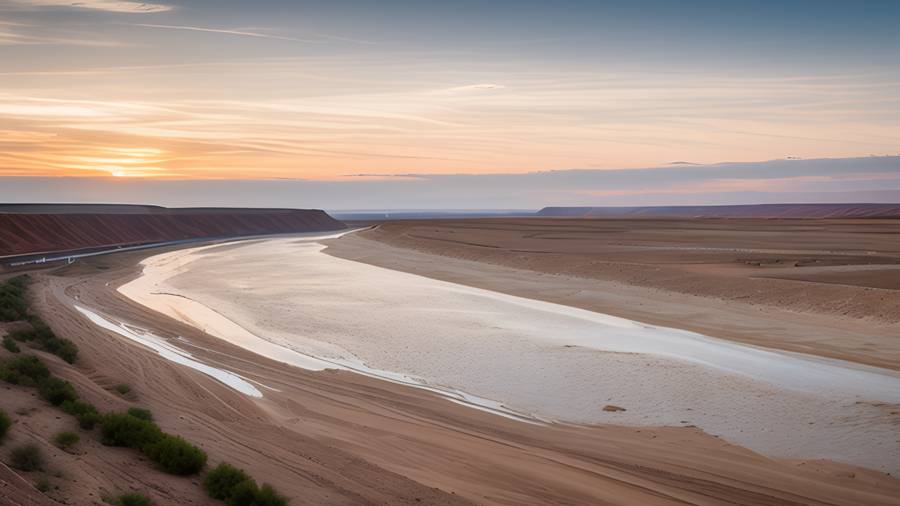
Who this route suits
For putting the eastern deserts and the northern lakes on one line: fourteen days, 3,320 km, an extra day at Burqin to soften the long runs either side of Kanas.
How the foreign vehicle comes in
The Xinjiang gateway is Horgos on the Kazakh border. Foreign vehicles must be declared to customs by a licensed agency; private cars cannot clear on their own. The service fee is 6,000 to 9,000 CNY per vehicle, covering customs declaration, border formalities, the Chinese temporary driving permit, the temporary plate (valid three months), route filing and on-site handling at the port. The customs deposit is guaranteed by us, after which the owner pays 10,000 CNY, refunded in full three to five working days after leaving China. Documents are due 20 days ahead: passport, Chinese visa, driving licence, passport photo of the driver on a white background, vehicle registration, title, engine number, and front, rear and side photos of the car; vehicles over six years old also need a roadworthiness certificate.
Route overview
| Day | Leg | Distance | Main stops |
|---|---|---|---|
| 1 | 乌鲁木齐—吐鲁番 | 190 km | 达坂城风口, 火焰山, 葡萄沟, 坎儿井 |
| 2 | 吐鲁番—哈密 | 420 km | 鄯善, 库姆塔格, 戈壁长途, 早出发 |
| 3 | 哈密—巴里坤 | 130 km | 天山庙, 巴里坤湖, 巴里坤古城 |
| 4 | 巴里坤—哈密 | 130 km | 天山北坡, 巴里坤草原 |
| 5 | 哈密—吐鲁番 | 420 km | 鄯善, 百里风区, 长途, 早出发 |
| 6 | 吐鲁番—乌鲁木齐 | 190 km | 达坂城风口, 盐湖戈壁 |
| 7 | 乌鲁木齐—富蕴 | 480 km | 古尔班通古特沙漠东缘, 卡拉麦里保护区边缘;路程较长, 早出发 |
| 8 | 富蕴—布尔津 | 330 km | 阿勒泰草原, 福海 |
| 9 | 布尔津停留 | — | 五彩滩日落, 河堤夜市, 额尔齐斯河畔 |
| 10 | 布尔津—喀纳斯 | 150 km | 贾登峪进沟, 卧龙湾, 月亮湾, 喀纳斯湖 |
| 11 | 喀纳斯—禾木 | 70 km | 禾木河谷, 白桦林, 图瓦木屋 |
| 12 | 禾木—布尔津 | 160 km | 禾木观景台晨雾, 草原 |
| 13 | 布尔津—乌尔禾 | 230 km | 额尔齐斯河谷, 乌尔禾方向 |
| 14 | 乌尔禾—乌鲁木齐 | 420 km | 克拉玛依油区, 长途, 早出发 |
Day by day
1 乌鲁木齐—吐鲁番 (190 km)
Dabancheng Wind Gap. A gap between the Tianshan and Bogda ranges southeast of Urumqi where wind blows all year, with wind walls and turbines along the old pass. Daban town sits below it, the place in the famous song, one short street and a few courtyards. Wind at the top can push the car sideways, so leave room when overtaking. Check tyre pressure and brakes before the pass and use a low gear on the descent. The day covers 190 km, short enough to stop whenever something looks worth it.
On the way. The day also passes Flaming Mountains, Grape Valley, Karez wells. Wind at the top can push the car sideways, so leave room when overtaking.
Road note: Half a day, mostly sealed road, with the slowest kilometres at either end of the towns.
Eat: Noodles and grilled meat in the county town, 30 to 45 yuan a head
Sleep: Hotels on the main street of Turpan, 150 to 300 yuan, easy parking; book ahead in season.
Tip: Check the weather before the pass and do not force it in rain or snow.
2 吐鲁番—哈密 (420 km)
Shanshan. A county town east of Turpan where the Kumtag dunes rise straight from the built edge, the closest big sand to a city in China. An old bazaar street and a wooden-gate mosque survive, and the food street fills with locals at dusk. Sand is soft, so stay on the sealed road unless you have four-wheel drive. Carry plenty of water, because visibility drops fast once the wind gets up. The day covers 420 km, cut into two-hour blocks with lunch in a town en route.
On the way. The day also passes Kumtag, a long desert run, an early start. Do not wander far for a photograph; without landmarks it is easy to lose direction.
Road note: A full day of driving on highway and straight road; fill up before the last town.
Eat: Noodles and grilled meat in the county town, 30 to 45 yuan a head
Sleep: Hotels on the main street of Hami, 150 to 300 yuan, easy parking; book ahead in season.
Tip: Never take one vehicle deep into sand; carry water and a tow rope.
3 哈密—巴里坤 (130 km)
the Tianshan temple. A small temple on the mountain road north of Hami, rebuilt on the old site beside a spring. Cars heading over to Barkol stop here, half an hour is enough, and the desert shows behind you. Low evening light shows the layers in the rammed earth; at midday it all goes flat and white. Most of the site is open rammed earth, so bring a hat and water against the sun. The day covers 130 km, short enough to stop whenever something looks worth it.
On the way. The day also passes Barkol Lake, Barkol old town. Most of the site is open rammed earth, so bring a hat and water against the sun.
Road note: Half a day, mostly sealed road, with the slowest kilometres at either end of the towns.
Eat: Noodles and grilled meat in the county town, 30 to 45 yuan a head
Sleep: Hotels on the main street of Barkol, 150 to 300 yuan, easy parking; book ahead in season.
Tip: Closing time is posted at the gate, and the last hour often closes before the hour.
4 巴里坤—哈密 (130 km)
the northern Tianshan slope. The meadow and spruce belt of the northern Tianshan, running west from Urumqi towards Ili, snowmelt feeding a string of oasis cities. Altitude stays modest and the scenery is the road itself. Altitude climbs quickly and the day swings between two seasons, so layer your clothes. Grassland and valley open out for miles, and herders move sheep across the road, so slow as soon as you see them. The day covers 130 km, short enough to stop whenever something looks worth it.
On the way. The day also passes Barkol grassland. Rain arrives fast and mountain streams rise fast, so keep out of the side valleys in the afternoon.
Road note: Half a day, mostly sealed road, with the slowest kilometres at either end of the towns.
Eat: Noodles and grilled meat in the county town, 30 to 45 yuan a head
Sleep: Hotels on the main street of Hami, 150 to 300 yuan, easy parking; book ahead in season.
Tip: Weather turns in the afternoon up here; keep rain gear where you can reach it.
5 哈密—吐鲁番 (420 km)
Shanshan. A county town east of Turpan where the Kumtag dunes rise straight from the built edge, the closest big sand to a city in China. An old bazaar street and a wooden-gate mosque survive, and the food street fills with locals at dusk. The dunes reshape daily and yesterday tracks may be gone today. Sand is soft, so stay on the sealed road unless you have four-wheel drive. The day covers 420 km, cut into two-hour blocks with lunch in a town en route.
On the way. The day also passes the hundred-mile wind zone, a long drive, an early start. The desert burns by day and cools at night; sunrise and sunset are the two hours worth keeping.
Road note: A full day of driving on highway and straight road; fill up before the last town.
Eat: Noodles and grilled meat in the county town, 30 to 45 yuan a head
Sleep: Hotels on the main street of Turpan, 150 to 300 yuan, easy parking; book ahead in season.
Tip: Never take one vehicle deep into sand; carry water and a tow rope.
6 吐鲁番—乌鲁木齐 (190 km)
Dabancheng Wind Gap. A gap between the Tianshan and Bogda ranges southeast of Urumqi where wind blows all year, with wind walls and turbines along the old pass. Daban town sits below it, the place in the famous song, one short street and a few courtyards. Brakes run hot after a long descent, so find flat ground and let them cool before stopping. Check tyre pressure and brakes before the pass and use a low gear on the descent. The day covers 190 km, short enough to stop whenever something looks worth it.
On the way. The day also passes the salt-lake desert. Check tyre pressure and brakes before the pass and use a low gear on the descent.
Road note: Half a day, mostly sealed road, with the slowest kilometres at either end of the towns.
Eat: Noodles and grilled meat in the county town, 30 to 45 yuan a head
Sleep: Hotels on the main street of Urumqi, 150 to 300 yuan, easy parking; book ahead in season.
Tip: Check the weather before the pass and do not force it in rain or snow.
7 乌鲁木齐—富蕴 (480 km)
the eastern Gurbantunggut. The fixed and semi-fixed sand of the Junggar basin, its eastern edge near Qitai and Mulei, covered in saxaul and tamarisk rather than the shifting dunes of the Taklamakan. It snows in winter and the grass is short in summer. The desert burns by day and cools at night; sunrise and sunset are the two hours worth keeping. The dunes reshape daily and yesterday tracks may be gone today. The day covers 480 km, cut into two-hour blocks with lunch in a town en route.
On the way. The day also passes the edge of the Kalamaili reserve, a long haul, an early start. Sand is soft, so stay on the sealed road unless you have four-wheel drive.
Road note: A full day of driving on highway and straight road; fill up before the last town.
Eat: Noodles and grilled meat in the county town, 30 to 45 yuan a head
Sleep: Hotels on the main street of Fuyun, 150 to 300 yuan, easy parking; book ahead in season.
Tip: Never take one vehicle deep into sand; carry water and a tow rope.
8 富蕴—布尔津 (330 km)
Altay grassland. The grassland belt south of Altay, grazing country fed by the Irtysh and Ulungur rivers, with flocks and yurts running to the horizon in summer. These are Kazakh winter and summer pastures, and the roads fill with livestock at moving time. Grassland and valley open out for miles, and herders move sheep across the road, so slow as soon as you see them. Unmarked tracks branch off to shepherd camps; do not turn into them without asking. The day covers 330 km, cut into two-hour blocks with lunch in a town en route.
On the way. The day also passes Fuhai. Altitude climbs quickly and the day swings between two seasons, so layer your clothes.
Road note: A long transfer day; leave early and stop every two hours to stretch.
Eat: Noodles and grilled meat in the county town, 30 to 45 yuan a head
Sleep: Hotels on the main street of Burqin, 150 to 300 yuan, easy parking; book ahead in season.
Tip: Weather turns in the afternoon up here; keep rain gear where you can reach it.
9 布尔津停留 (—)
sunset at the Five-Coloured Beach. The yardang and river bank north of Burqin, where the Irtysh bends below and evening light turns the mounds red and yellow. Boardwalks serve it; go in an hour before sunset. There is no shade in the gorge, so go in the morning or late rather than at midday. Water collects in the bottom after rain; do not drive where there are no tracks.
On the way. The day also passes the embankment night market, the Irtysh bank. There is no shade in the gorge, so go in the morning or late rather than at midday.
Road note: A short day on county roads, narrow but quiet, about an hour.
Eat: Noodles and grilled meat in the county town, 30 to 45 yuan a head
Sleep: Hotels on the main street of the last town, 150 to 300 yuan, easy parking; book ahead in season.
Tip: There is no signal in the gorge, so save the route offline first.
10 布尔津—喀纳斯 (150 km)
Jiadengyu, the valley gate. The gateway to Kanas, with the visitor centre and shuttle interchange, private cars parked outside. One valley leads to the lake, another to Hemu, and the two split here. Old-town lanes are narrow, so park on the edge and walk in. The bazaar is liveliest towards evening, with grilled meat and fruit sold by weight. The day covers 150 km, short enough to stop whenever something looks worth it.
On the way. The day also passes Wolong Bay, Moon Bay, Kanas Lake. Old-town lanes are narrow, so park on the edge and walk in. Nothing on this stretch needs a ticket, and a ten-minute stop where the ground opens up is enough; there is no need to detour for a viewpoint.
Road note: Half a day, mostly sealed road, with the slowest kilometres at either end of the towns.
Eat: Noodles and grilled meat in the county town, 30 to 45 yuan a head
Sleep: Hotels on the main street of Kanas, 150 to 300 yuan, easy parking; book ahead in season.
Tip: Draw cash here; not every shop further on takes a card.
11 喀纳斯—禾木 (70 km)
Hemu valley. Hemu village in Burqin county, where Tuvan log houses line the river inside birch and larch. At dawn the viewpoint looks over mist on the roofs, with the river bending behind the village. In season cars stop outside and shuttles run in. The town is small and one main street holds the fuel station, the workshop and the market. Rooms cluster along the main street, and the closer to the centre the easier the parking. The day covers 70 km, short enough to stop whenever something looks worth it.
On the way. The day also passes birch woods, Tuvan log houses. The town is small and one main street holds the fuel station, the workshop and the market.
Road note: A short day on county roads, narrow but quiet, about an hour.
Eat: Noodles and grilled meat in the county town, 30 to 45 yuan a head
Sleep: Hotels on the main street of Hemu, 150 to 300 yuan, easy parking; book ahead in season.
Tip: Draw cash here; not every shop further on takes a card.
12 禾木—布尔津 (160 km)
the Hemu viewpoint at dawn. The terrace behind Hemu village, climbed at dawn to look down on the whole settlement, log roofs, hearth smoke and mist spreading through the valley. Be there half an hour before sunrise; the platform fills once the sun is up. Rain arrives fast and mountain streams rise fast, so keep out of the side valleys in the afternoon. Altitude climbs quickly and the day swings between two seasons, so layer your clothes. The day covers 160 km, short enough to stop whenever something looks worth it.
On the way. The day also passes grassland. Unmarked tracks branch off to shepherd camps; do not turn into them without asking.
Road note: Half a day, mostly sealed road, with the slowest kilometres at either end of the towns.
Eat: Noodles and grilled meat in the county town, 30 to 45 yuan a head
Sleep: Hotels on the main street of Burqin, 150 to 300 yuan, easy parking; book ahead in season.
Tip: Weather turns in the afternoon up here; keep rain gear where you can reach it.
13 布尔津—乌尔禾 (230 km)
Irtysh valley. The only Chinese river draining to the Arctic, coming off the Altay and running west through poplar, willow and marsh. The Burqin to Habahe stretch is the prettiest, water and leaves changing colour together in autumn. Wind at the water is stronger than in town and the evening cools fast, so keep a jacket within reach. Mosquitoes are thick near water, so bring long sleeves and a repellent. The day covers 230 km, short enough to stop whenever something looks worth it.
On the way. The day also passes towards Urho. In high season the car park sits far from the gate, and arriving early saves a long walk.
Road note: Most of the day on the road, long straights, so watch crosswind and changing limits.
Eat: Noodles and grilled meat in the county town, 30 to 45 yuan a head
Sleep: Hotels on the main street of the last town, 150 to 300 yuan, easy parking; book ahead in season.
Tip: It cools fast by the water, so bring a jacket and repellent, and mind slippery boards.
14 乌尔禾—乌鲁木齐 (420 km)
the Karamay oil field. An oil city on the western edge of the Junggar basin, pumpjacks standing across the desert in rows like nodding iron horses. The centre is clean with plenty of rooms, Urho ghost city to the north and the Gurbantunggut sand to the east. The town is small and one main street holds the fuel station, the workshop and the market. The bazaar is liveliest towards evening, with grilled meat and fruit sold by weight. The day covers 420 km, cut into two-hour blocks with lunch in a town en route.
On the way. The day also passes a long drive, an early start. Rooms cluster along the main street, and the closer to the centre the easier the parking.
Road note: A full day of driving on highway and straight road; fill up before the last town.
Eat: Noodles and grilled meat in the county town, 30 to 45 yuan a head
Sleep: Hotels on the main street of Urumqi, 150 to 300 yuan, easy parking; book ahead in season.
Tip: Draw cash here; not every shop further on takes a card.
Tickets and opening hours
| Site | Ticket | Hours |
|---|---|---|
| See ticket office | Check the gate on the day | |
| Barkol Lake | See ticket office | Check the gate on the day |
| See ticket office | Check the gate on the day | |
| See ticket office | Check the gate on the day | |
| See ticket office | Check the gate on the day | |
| See ticket office | Check the gate on the day | |
| See ticket office | Check the gate on the day | |
| See ticket office | Check the gate on the day | |
| See ticket office | Check the gate on the day | |
| See ticket office | Check the gate on the day |
Tickets and shuttle buses are priced separately and change with season and holidays, so confirm at the gate; guides, horses and boats are extra.
Six things to know on the road
- Foreign vehicles must be declared to customs by a licensed travel agency. Private cars cannot clear the border on their own; that is the procedure, not an option.
- The temporary plate is valid three months. Do not change the route filed at entry without re-filing it.
- Some frontier districts in Xinjiang need prior approval, and Xinjiang to Tibet cannot be crossed directly: you must go around via Golmud on the G109.
- Fuel is sold against ID, so keep the vehicle registration and licence within reach; stations can be 200 km apart.
- Speed limits differ sharply between expressway and national road, and average-speed cameras are everywhere, so slow down at every sign.
- At checkpoints, slow early and hand over passport, licence, registration and temporary plate together in one folder.
When to come
June to September for the north; the eastern legs April to May and September to October. July and August are too hot by day in Hami and Turpan, so drive early.
How to extend it
Burqin already has its extra day; add a night at Hemu if you like. If the east feels rushed, pull Barkol out as its own short trip.
Contact and quote
This route can be adjusted to your dates, group size and vehicle. The quote covers customs declaration, temporary plate, route filing and port handling, and excludes fuel, tickets, rooms and meals. Send the port and date you plan to enter and we will confirm what is workable under the current rules.
WhatsApp: +86 13759155671 Email: [email protected]